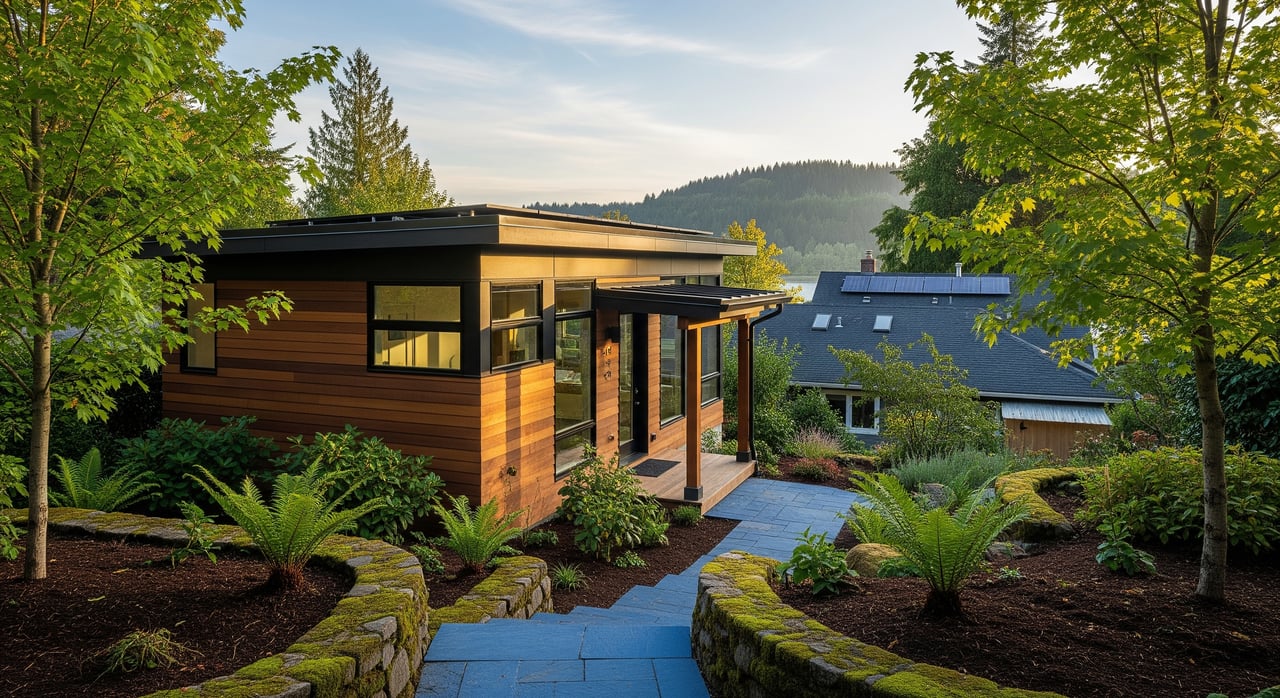
How to Finance an ADU on Your West Linn Property
November 6, 2025
November 6, 2025
Thinking about adding an accessory dwelling unit to your West Linn property but not sure how to pay for it? You are not alone. Financing an ADU blends construction timelines, lender rules, and local permits, which can feel complex at first glance. In this guide, you will learn practical ways to fund an ADU, how West Linn and Clackamas County milestones shape draw schedules, and what documents lenders expect. By the end, you will have a clear, local playbook to move from idea to funded build. Let’s dive in.
A home equity line of credit lets you borrow against your home as needed up to a limit. Draws are flexible and often interest only during the draw period. The process is usually faster than a full construction loan and lines up well with progress payments to your contractor.
Keep in mind that HELOCs commonly have variable rates, and lenders may cap the combined loan-to-value. For large construction draws, some lenders ask to see your permit and contractor bid. To compare costs and terms, start with consumer guidance such as the CFPB’s mortgage and home equity resources.
A cash-out refinance replaces your current mortgage with a larger one and gives you the difference in cash at closing. The rate may be lower than a construction loan or HELOC, and you get one monthly payment.
Expect full refinance underwriting and an appraisal based on current value. Unless you use a renovation program, lenders typically do not include the ADU’s future value until it is complete. Some lenders may escrow funds or require construction to begin before releasing cash for the project.
Construction loans are designed for building. Funds are released in stages, and many products convert to a permanent mortgage after final inspection without a second closing.
You will provide permits, a detailed budget, a signed construction contract, and a draw schedule. Lenders verify progress with inspections before each draw. Rates are often higher than standard mortgages, and a down payment is common.
These programs combine your mortgage and construction costs into one loan for purchase plus build or refinance plus build. They can allow lower down payments, though lender participation varies.
You will submit a renovation plan, cost estimates, contractor information, and permits. Disbursements are typically held in escrow and released after confirmed progress.
Savings or personal loans can work for smaller projects. Unsecured loans are faster but usually carry higher interest rates, which makes them less practical for a full ADU build.
Grants, forgivable loans, or low-interest programs may be available at times. Availability changes, so check the City of West Linn Planning and Development Services, Clackamas County, and Oregon Housing and Community Services for current opportunities.
Lenders tie money to milestones. In West Linn, zoning and permit steps happen with the City, while building permits and inspections run through Clackamas County. Confirm current steps and timelines with the City of West Linn Planning and Development Services and the Clackamas County Building Division.
If your property uses septic, coordinate early with Clackamas County Environmental Health for capacity review or upgrades. Utility connections and stormwater management can also affect your schedule.
Construction loan example with four draws:
HELOC example aligned to invoices:
Cash-out refinance example:
Best practice: keep a construction contingency of 10 to 20 percent to cover change orders and price shifts.
Prepare these items early to speed approvals and avoid draw delays:
For most cash-out refinances, lenders base the loan on your current value. To use the ADU’s future value during financing, you may need a construction or renovation loan that allows as-completed valuation.
After your ADU is finished and finaled, assessed value and property taxes usually go up. For local guidance on timing and valuation methods, check the Clackamas County Assessor.
Tell your insurer before construction. You may need builder’s risk coverage during the build and updated coverage afterward. If you plan to rent the ADU, ask about endorsements or landlord coverage.
Confirm water, sewer, and power capacity and fees early. If you are on septic, capacity and permit needs go through Clackamas County Environmental Health.
Some lenders allow a percentage of expected rent to help you qualify, often based on market rent schedules. Policies vary, so verify with your lender.
Many Oregon cities have relaxed ADU restrictions in recent years, with simpler approvals and changes to parking or owner-occupancy rules. Always confirm the current code and checklists with the City of West Linn Planning and Development Services. For broader state context, visit the Oregon Department of Land Conservation and Development. If you hope to layer in financial help, review programs at Oregon Housing and Community Services and check Clackamas County for any local options.
Ready to plan your ADU with a clear financing roadmap and a design-forward eye on long-term value? Reach out to Laurie Bornstein Homes for local vendor connections, lender introductions, and thoughtful guidance from start to finish.
Stay up to date on the latest real estate trends.

Real Estate
Boost Your Property Value with These Proven Tips in Lake Oswego
Real Estate
Maximize Your Home's Potential with Interactive Experiences
"Your Story...Starts At Home" "Let's Start The Next Chapter Together"
LAURIE BORNSTEIN
449 3RD STREET LAKE OSWEGO OR 97034