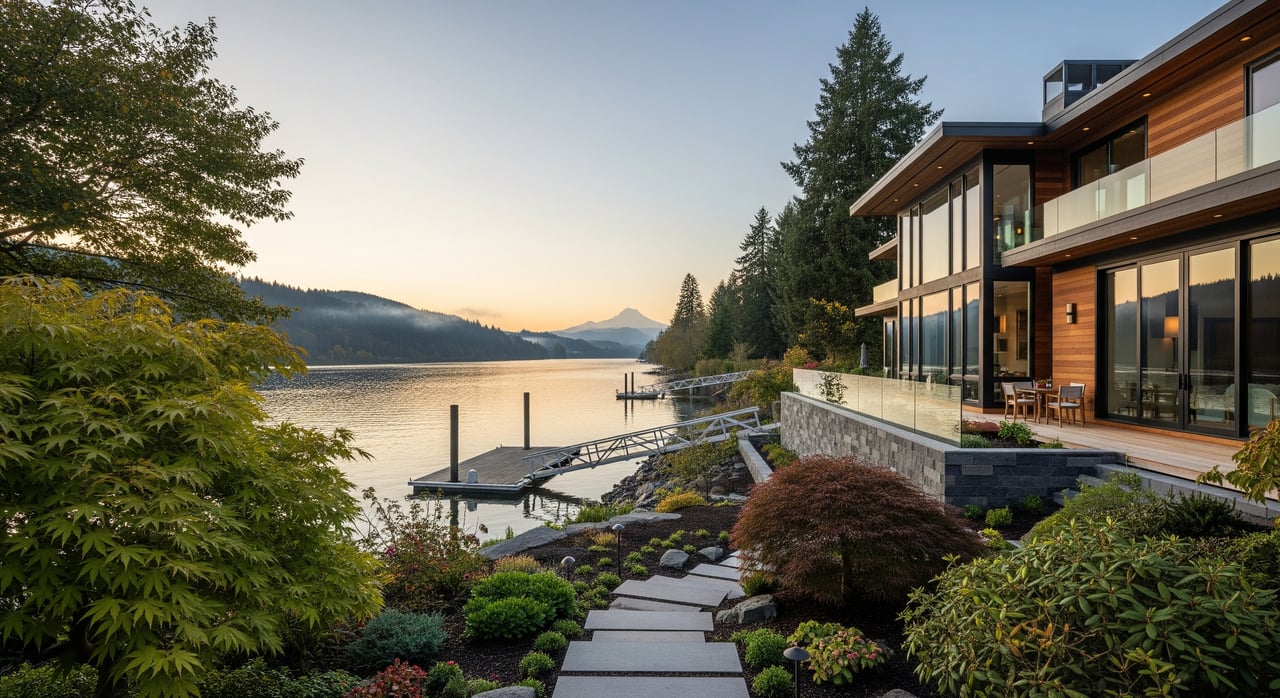
Lake Oswego & West Linn Relocation Realtor Guide
December 4, 2025
December 4, 2025
New role bringing you to the Portland area and trying to choose between West Linn and Lake Oswego? When timelines are tight, you need a clear plan that covers neighborhoods, commutes, touring, and move-in details. You deserve a smooth, concierge-level move that respects your time and goals. This guide gives you a step-by-step roadmap so you can land with confidence. Let’s dive in.
You will find two exceptional suburban choices just south of Portland. Lake Oswego has a compact, walkable core with shopping, dining, arts events, and lakefront amenities. West Linn feels more residential and hilly with riverfront parks and plenty of single-family neighborhoods. Both sit within Clackamas County and offer strong community services.
For city services and local policies, start with the official sites for the City of Lake Oswego and the City of West Linn. If you want current population and economic snapshots, review U.S. Census Bureau QuickFacts, such as the page for West Linn city, Oregon.
Schools are served primarily by two districts. Much of West Linn is within the West Linn–Wilsonville School District. Parts of Lake Oswego are served by the Lake Oswego School District. Check official boundary maps and recent state report cards to match a home address with the right school and programs.
Every relocation is different. Start by clarifying how you live day to day and let that guide your search.
If you want parks, lower traffic streets, and larger yards, look for residential pockets near community parks and elementary schools. In Lake Oswego, neighborhoods around the walkable core or near parks can balance access with quiet streets. In West Linn, hillside subdivisions and areas near river parks often appeal to those seeking more green space. Verify school boundaries and programs through the district sites.
If you plan to commute north or around the region, prioritize quick access to I-205, the OR-43 corridor, or direct bus routes. Smaller lots can trade for shorter drive times. Map travel to downtown Portland, Beaverton, Tigard, or Clackamas during your actual commute hours before you commit.
If you prefer low maintenance, consider condos or townhomes near Lake Oswego’s Old Town or single-level homes in West Linn neighborhoods with gentle topography. Walkability and access to grocery, coffee, and health services can simplify daily routines.
If you love dining, arts, and events, Lake Oswego’s downtown and lake access offer a lively slate of activities. If you want trails and river views, West Linn’s parks along the Willamette provide a scenic backdrop for outdoor time.
Primary routes include I-205 for north-south connections and OR-43 along the river toward downtown Portland. Many residents commute north to central Portland or west to employment centers in Tigard and Beaverton. Off-peak drives to downtown can be 20 to 30 minutes, and peak hours commonly add 15 to 30 minutes or more. Always verify live conditions during your exact commute times.
Transit options include TriMet bus routes that connect to nearby MAX light rail stations. There is no MAX line inside West Linn or Lake Oswego, so most riders transfer or use park-and-ride. For route planning, use TriMet’s system maps and schedules. For traffic cameras and highway updates, check ODOT’s TripCheck.
If you are flying in for a short window or juggling a fast start date, a concentrated touring day keeps you efficient and decisive.
Use 3D tours, live video, and digital signatures when you cannot be on site. Decide ahead about inspection timelines, possession dates, and whether you need rent-back flexibility. Clarity on terms helps you act fast if you find the right home.
If your move-in date and closing date do not line up, plan for interim housing.
Tips: Book early for spring and summer. Keep a one-week overlap buffer between closing and move-in for inspections, utility setup, and any quick fixes.
The final stretch is all about coordination. Use this timeline to stay ahead.
You deserve a relocation partner who can coordinate the moving parts while keeping your goals front and center. With a design-first approach, curated touring plans, and white-glove vendor coordination, you can focus on your life, not logistics. If you are weighing West Linn versus Lake Oswego, or you need a fast, organized search with staging and negotiation strategy ready to go, let’s talk.
Ready to get started? Connect with Laurie Bornstein for a tailored relocation plan and a smooth landing.
Stay up to date on the latest real estate trends.



Real Estate
Boost Your Property Value with These Proven Tips in Lake Oswego
Real Estate
Maximize Your Home's Potential with Interactive Experiences
"Your Story...Starts At Home" "Let's Start The Next Chapter Together"
LAURIE BORNSTEIN
449 3RD STREET LAKE OSWEGO OR 97034